
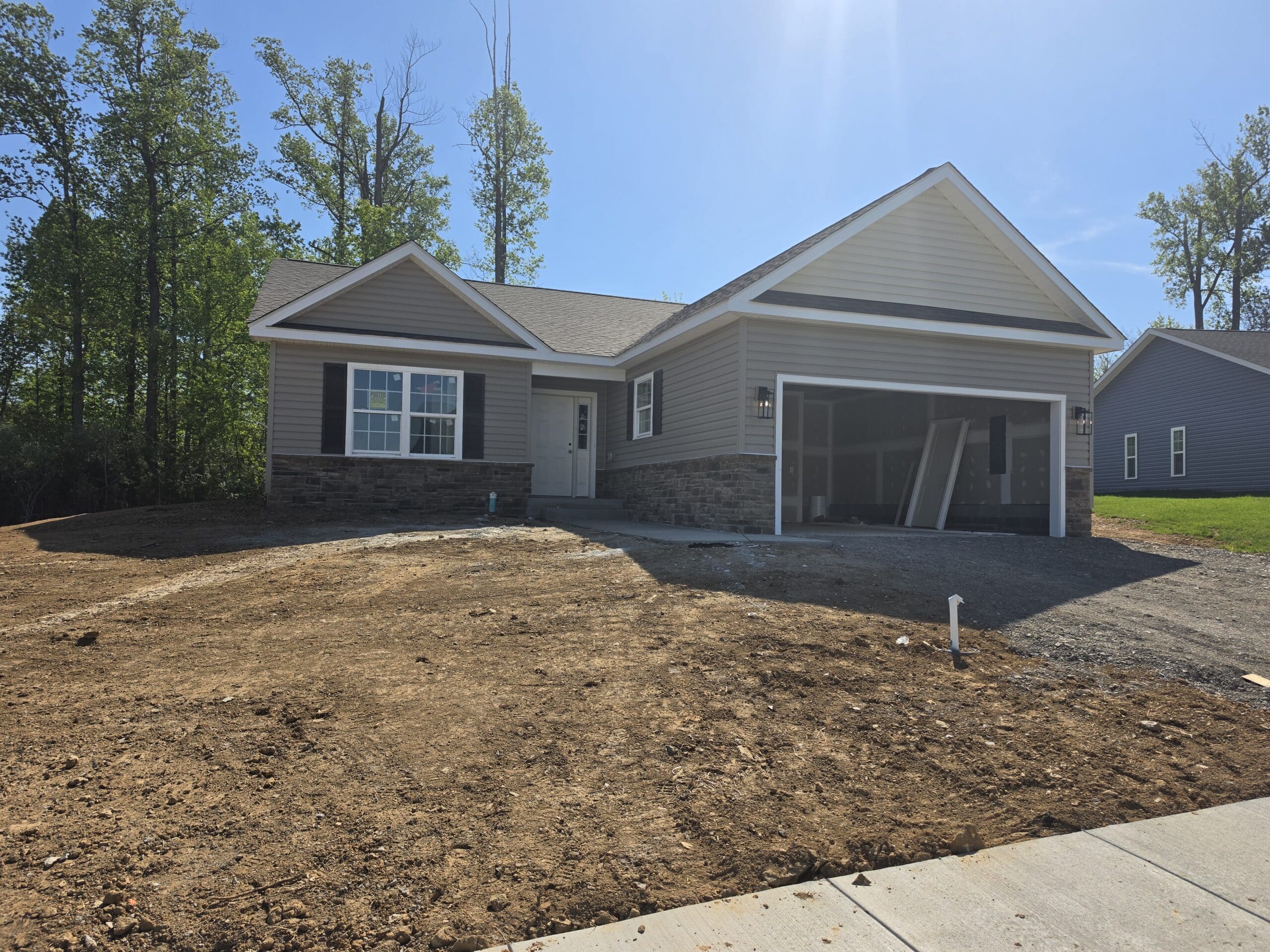
Maybe you already own a piece of land with a beautiful view. Maybe you’re searching for a quiet spot outside town or a property closer to family. Building on your own lot gives you the opportunity to create a home around the way you want to live.
Before choosing your kitchen finishes or imagining evenings on the porch, it helps to understand how the land will shape your project. Your lot, home design, and construction budget all need to work together.
At Intrepid Builders, we build on your lot or ours. If you’re considering a custom home in Martinsburg, WV, or the surrounding Berkeley, Jefferson, and Morgan County area, here are the key questions to explore before you get started.
1. Look Beyond the View When Choosing Your Lot
A beautiful setting is a great starting point, but think about what living there would look like every day. Consider your commute, nearby services, privacy, and the space you want for outdoor living.
Walk the property with your future home in mind. Where would the driveway go? Which direction would the main living spaces face? Would your favorite view be visible from the kitchen, deck, or primary bedroom?
The shape and slope of the land also deserve attention. A hillside might suit a walkout basement, while another property may work better with a different foundation or layout. Ask a builder to help you assess how the site could influence the design and scope of work.
2. Ask What Needs to Be Confirmed Before You Buy
Before purchasing land, gather information about what can be built and what the property needs. A listing description is a starting point; follow up with the appropriate local offices, utility providers, and qualified professionals.
Questions worth asking include:
- Is the property suitable for the type and size of home you want?
- What zoning requirements, setbacks, or recorded restrictions need to be reviewed?
- Are there community design guidelines or homeowners association requirements?
- What access and easement information should be confirmed?
- What surveys, site evaluations, or approvals are needed?
Getting answers early helps you make a more informed decision before committing to a property or house plan.
3. Find Out How Utilities Will Reach Your Home
Utility availability belongs near the top of your planning list. Ask about electricity, water, wastewater service, and internet access at the actual building site.
If public water or sewer service isn’t available, discuss what would be needed to evaluate a well or septic system. For any utility connection, ask who will confirm availability, arrange the work, and provide an estimate.
It’s also helpful to think about where those systems would go in relation to your home, driveway, and future outdoor spaces. Understanding the options gives your design team a clearer starting point.
4. Choose a Floor Plan That Fits Your Land and Your Life
Your floor plan should reflect both the property and your daily routine. Before focusing on square footage, think about how you use the home from morning to night.
Would a main-level primary suite make life easier? Do you need a dedicated office, a mudroom near the garage, or a kitchen where guests can gather without crowding the cooking area? Would a covered porch help you enjoy the setting more often?
Consider the furniture you already own, the storage you need, and how your household may change. Discuss how the design can make the most of natural light, views, privacy, and convenient access to the yard.
At Intrepid Builders, our mission is to create homes that are fashionable and functional. That starts with a layout that supports the people who live there.
5. Plan a Budget for the Entire Project
When building on your own lot, look at the full project scope alongside the house itself. Depending on the property, your planning conversation may need to include clearing, grading, driveway construction, utility connections, and other site work.
Ask for clarity about what an estimate includes, what is still an allowance, and what needs further evaluation. Discuss how selections and design changes will be priced, and leave room in your planning for unresolved site conditions.
A useful budget conversation connects your priorities to the available information. Decide which features matter most, then work through the choices with your builder before finalizing the design.
6. Talk to Your Builder Early
You don’t need every detail figured out before starting a conversation. Bringing a builder into the process while you’re evaluating land can help you identify questions and understand how a potential home might fit the site.
Bring any property information you have, a few inspiration photos, your must-have features, and your target budget. If you already have a floor plan in mind, share that too.
Ask about the next steps, who handles each part of the process, and which decisions are needed first. A clear starting plan can make a large project feel more manageable.
Build on Your Lot or Ours With Intrepid Builders
Your future home begins with thoughtful planning and a team that listens to how you want to live. Whether you already own land or are still exploring your options, Intrepid Builders can help you start the conversation.
We serve Martinsburg and the surrounding Berkeley, Jefferson, and Morgan County area, creating homes with style and everyday function in mind.
Ready to discuss your custom home? Visit Intrepid Builders or call 304-306-2454 to talk about building on your lot or ours.