
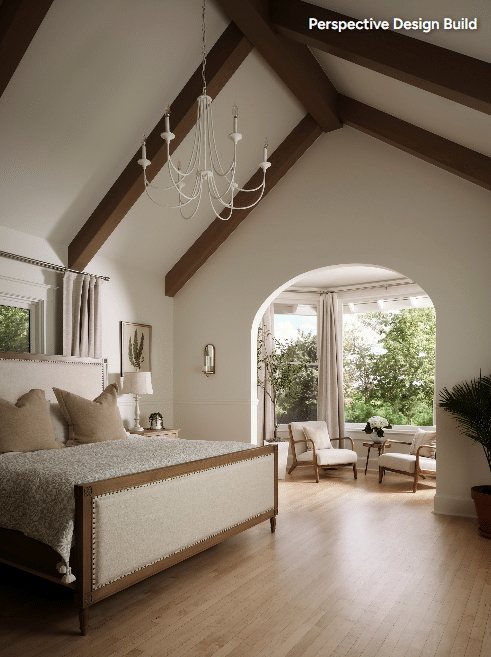
As more homeowners plan to stay in their homes long term, aging in place bedroom design has become an essential part of thoughtful remodeling. The good news? Designing a bedroom for aging in place doesn’t mean sacrificing comfort or style. With the right layout, materials, and features, you can create a space that feels beautiful today and supports your needs for years to come.
At Intrepid Builders, we specialize in building homes that evolve with your lifestyle. Here’s how to design a bedroom that blends safety, accessibility, and timeless design.
1. Prioritize an Open, Accessible Layout
A well-planned layout is the foundation of an aging-in-place bedroom. Clear pathways around the bed and between furniture allow for easier movement, especially if mobility needs change in the future.
Key considerations:
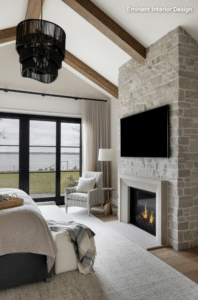
- Maintain generous walking space around the bed
- Avoid overcrowding with excess furniture
- Incorporate built-in storage to reduce clutter
A spacious layout improves both safety and daily comfort — without compromising design.
2. Consider a First-Floor Primary Suite
One of the most impactful aging-in-place upgrades is relocating or designing the primary bedroom on the first floor. Eliminating stairs reduces fall risk and ensures long-term accessibility.
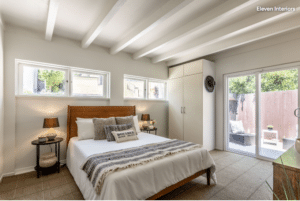
If a first-floor suite isn’t possible today, planning future flexibility into your home design can make transitions easier later.
3. Choose Safe, Slip-Resistant Flooring
Flooring plays a major role in bedroom safety. Area rugs, while decorative, can create tripping hazards. Instead, consider:
- Wall-to-wall carpet for soft landings
- Smooth hardwood with minimal transitions
- Low-profile thresholds between rooms
Continuous, stable flooring improves safety and supports mobility aids if needed.
4. Improve Bedroom Lighting for Safety and Comfort
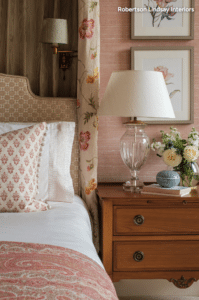
Lighting is often overlooked in aging-in-place remodeling. A layered lighting plan enhances both ambiance and visibility.
Include:
- Overhead ambient lighting
- Bedside reading lights
- Easily accessible switches
- Dimmers for nighttime comfort
Smart lighting systems can also add convenience and independence.
5. Design Accessible Closet and Storage Solutions
Traditional closets can be difficult to navigate over time. Instead, consider:
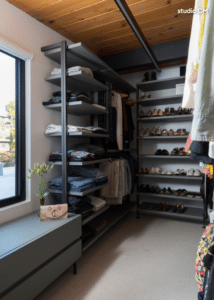
- Adjustable hanging rods
- Lower shelving
- Pull-out drawers
- Easy-grip hardware
Accessible storage reduces strain and keeps everyday items within comfortable reach.
6. Add Comfortable Seating
A bedroom chair or bench provides a stable place for dressing or resting. This small addition can significantly improve daily usability and safety.
7. Plan for an En Suite Bathroom
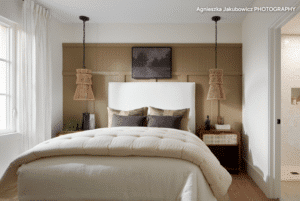
Connecting the bedroom to a nearby bathroom reduces nighttime walking distances and enhances convenience. If you’re remodeling, this is an ideal time to evaluate how a bathroom addition or upgrade can support aging in place.
8. Incorporate Smart Home Technology
Modern technology makes independent living easier. Consider adding:
- Voice-activated lighting
- Smart thermostats
- Automated window treatments
These upgrades provide convenience while keeping the room stylish and uncluttered.
Build for Today — Plan for Tomorrow
Aging-in-place bedroom design isn’t about preparing for “later.” It’s about creating a home that works beautifully at every stage of life. With thoughtful planning, you can enjoy a bedroom that feels warm, elegant, and fully functional — now and in the future.
At Intrepid Builders, we design and build homes with long-term livability in mind. If you’re considering a remodel or planning a custom home, we’d love to help you create a future-ready space tailored to your lifestyle.
Contact Intrepid Builders today to start planning your aging-in-place renovation.